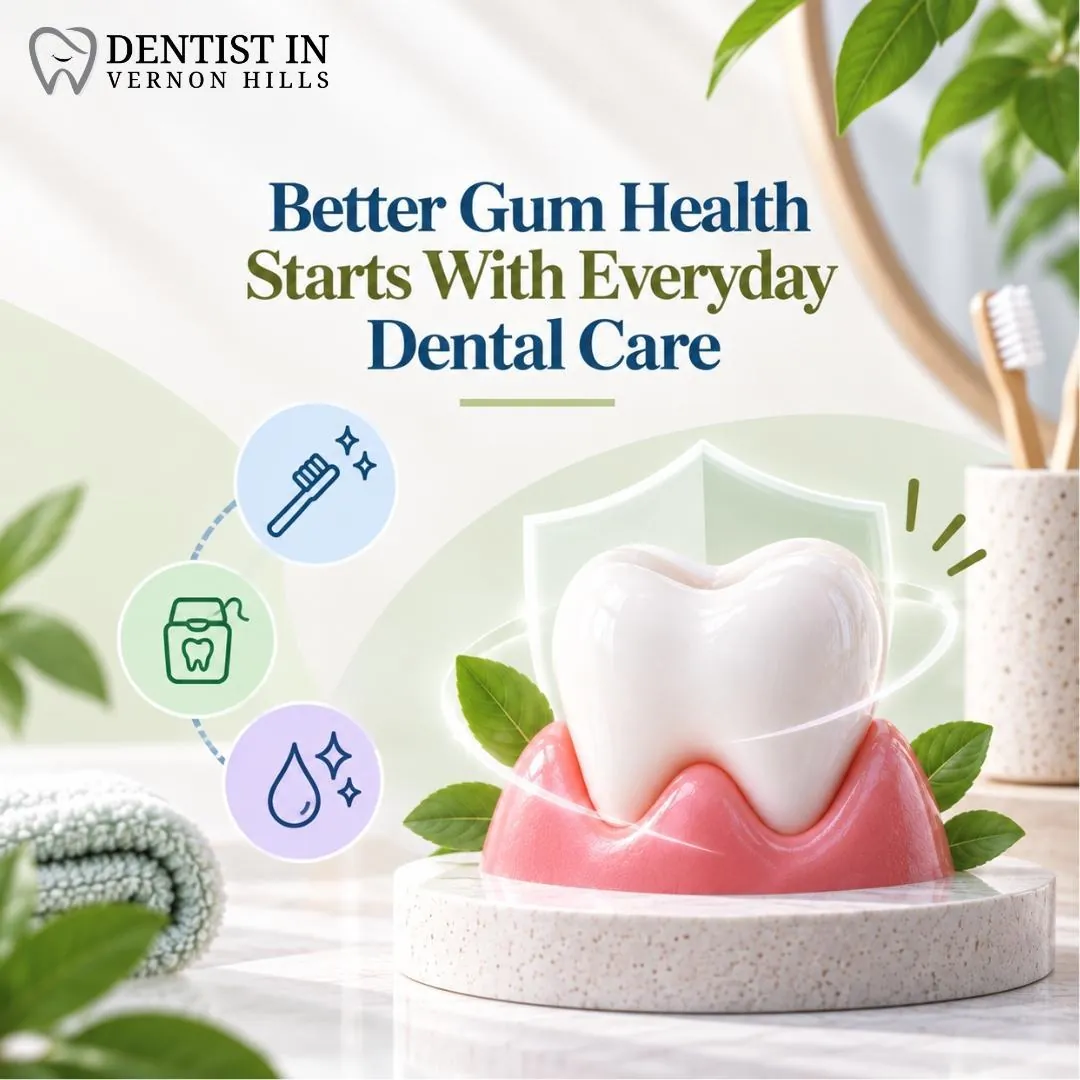
Many people notice bleeding or sore gums and feel worried. Gum trouble can sneak up like a quiet roommate and cause real pain. Good oral care, with daily brushing and flossing, often stops gum problems before they grow.
Here you will know about simple steps to improve gum health every day. It covers brushing technique, flossing tips, mouthwash use, diet moves, toothbrush care, and when to visit the dentist.
Strong oral hygiene habits build the foundation for better gum health. Small, daily actions can stop gum disease before it even gets a chance to start.
Daily brushing protects gums. Proper technique matters.
Flossing plays a crucial role in daily dental care. It helps maintain better gum health and reduces the risk of gum disease.
Incorporating floss into daily routines can make all the difference in maintaining good gum health and enjoying vibrant smiles for years to come.
Using mouthwash boosts gum health. This simple step cuts down on plaque and harmful bacteria. A fresh rinse can reach those tricky spots that brushing misses. Daily use helps keep gums happy and reduces the risk of gingivitis.
An enthusiastic friend once shared how mouthwash transformed their dental routine. They noticed a huge drop in gum inflammation after just a couple of weeks. That kind of improvement sparks motivation! Regularly swishing with mouthwash is an easy addition to everyday dental care, paving the way for better overall oral hygiene.
Healthy habits play a crucial role in keeping gums in tip-top shape. Eating a balanced diet filled with fruits and veggies can work wonders for gum health, while swapping out old toothbrushes prevents plaque buildup.
A balanced, tooth-friendly diet can greatly improve gum health. Eating fresh fruits and vegetables provides essential vitamins and minerals. These foods boost the immune system, helping the body fight off gum disease.
Whole grains also play a key role in maintaining overall oral well-being. They help keep blood sugar levels stable, reducing inflammation in the gums.
Drinks matter too; water is ideal for rinsing away food particles and keeping saliva flowing. Saliva contains enzymes that naturally fight bacteria and plaque buildup on teeth. A first-hand experience of switching to healthier snacks shows impressive results in gum health over time.
Incorporating more nuts or dairy can strengthen teeth as well; both are rich in calcium which helps maintain strong enamel and healthy gums.
Replacing toothbrushes regularly is key for good gum health. A worn-out brush loses its cleaning power. This means it can't fight plaque as effectively, and plaque can lead to gingivitis or even periodontitis. Dentists recommend changing brushes every three to four months. This simple habit makes a big difference in oral hygiene.
Many people forget about their toothbrush's lifespan until they notice frayed bristles. It's essential to check the condition of one’s brush often. Fresh bristles scrub better and reach more areas between teeth, reducing inflammation in gums.
Using a new toothbrush ensures that germs don't settle into it either; old brushes can harbor bacteria, which doesn’t help anyone’s smile! Regular replacements keep brushing effective and promote strong periodontal health for everyone involved in daily dental care routines.
Regular dental checkups play a vital role in maintaining good oral health. Dentists help individuals monitor their gum and tooth condition. They can spot issues like gum disease early on, including gingivitis and periodontitis.
Early intervention can often prevent more serious problems down the line. Good oral hygiene habits alone can't catch everything; bacteria can silently cause harm without noticeable symptoms. These visits usually involve cleaning to remove plaque and tartar buildup that brushing may miss.
Routine checkups also allow dentists to assess overall health because oral health impacts general well-being. Studies show that gum disease links to heart disease and diabetes, making it crucial for both dental care and preventive measures against these conditions.
Individuals only need basic tools like a toothbrush, toothpaste, and dental floss at home, but professional support is essential for thorough examinations. Regular appointments ensure patients keep their gums healthy while also avoiding costly treatments later on if problems arise.
Everyday dental care is key to better gum health. Brushing twice a day and flossing regularly removes plaque, which helps prevent gum disease. Keeping your mouth clean is like giving your gums a daily workout.
To maintain healthy gums, brush gently with fluoride toothpaste, floss daily, and visit your dentist regularly. A balanced diet also plays a role; eat plenty of fruits and vegetables while cutting down on sugary snacks.
Gum health matters because it affects more than just your smile. Poor gum health can lead to serious issues like tooth loss or even heart problems over time. Taking care of your gums means taking care of your overall well-being.
While good dental habits at home help greatly, some issues need professional attention. If you notice swelling or bleeding in your gums, see a dentist as soon as possible; they can provide treatments that go beyond what you can do yourself at home.
Tell us a little about what you need — we'll be in touch shortly.
555 E Townline Rd Ste 4, Vernon Hills, IL 60061, United States
Hi! I'm Tooth fairy! Your AI Assistant Ask me anything