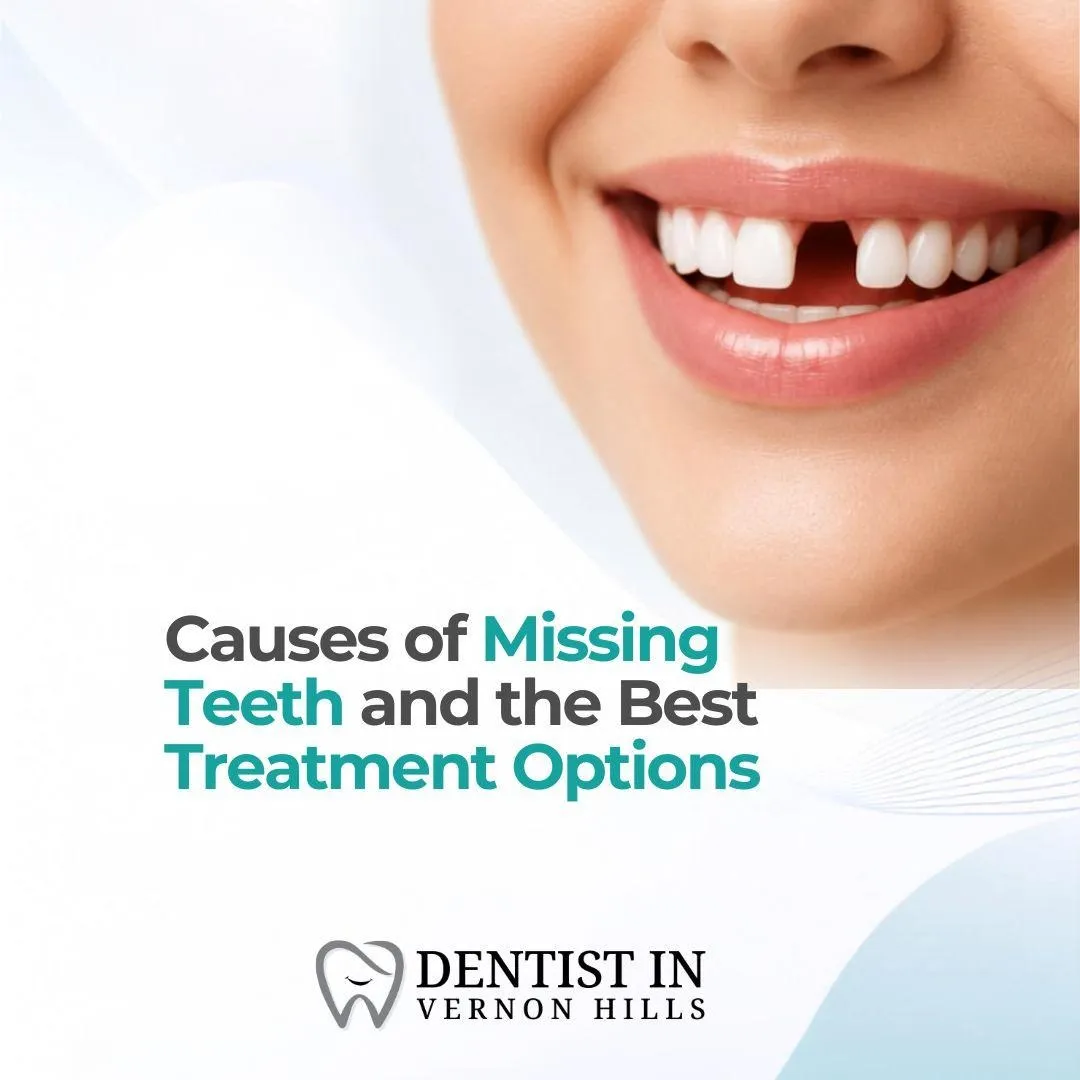
Missing teeth can make eating, speaking, and even smiling feel uncomfortable or embarrassing. Many people struggle with gaps in their smile and wonder what they can do to restore both appearance and function.
Gum disease, also known as periodontitis, is one of the main causes of tooth loss. This condition weakens the bone that holds teeth in place, often leading to missing teeth if left untreated.
This blog will explain some common reasons for tooth loss — like decay, injury, or genetic conditions — and share the best treatment options available today. Find out how you can regain your healthy smile and confidence by exploring solutions for missing teeth. Keep reading to discover which option might work best for you!
Dentists warn that tooth loss harms oral health and quality of life. Gum disease, or periodontitis, stands as one of the leading causes, especially when bone loss occurs. Untreated tooth decay and cavities often destroy tooth structure and lead to tooth loss.
Trauma and injury also cause lost teeth. Hypodontia means a person is born without some permanent teeth, which differs from loss due to disease or injury. Smoking increases the risk of tooth loss and worsens periodontal disease.
Many clinicians consider dental implants one of the best treatment options for replacing lost teeth. Dentures serve as an effective prosthetic for full or partial restoration. Dental bridges provide a viable option for replacing single or adjacent teeth. Choice depends on oral health, budget, and the number of missing teeth.
Tooth loss often stems from various health issues. Decay, gum disease, and injuries commonly lead to missing teeth in many individuals.
Tooth decay and gum disease are significant contributors to tooth loss. Tooth decay occurs when bacteria in the mouth produce acids that harm the tooth structure. Untreated cavities can lead to severe damage, eventually resulting in lost teeth.
Gum disease, also known as periodontitis, plays a crucial role in this process. It results from plaque buildup on teeth and can cause inflammation of the gums. If left untreated, it can lead to bone loss around teeth and subsequent tooth loss.
Smoking significantly increases the risk of developing gum disease. Individuals who smoke may experience faster progression of both gum disease and decay compared to non-smokers. Regular dental check-ups become essential for maintaining oral health because early detection helps prevent these conditions from worsening.
Proper oral hygiene is vital for everyone but particularly important for those at risk of periodontitis or severe tooth decay. If your gums bleed or feel tender, ask about periodontal treatment before the disease progresses.
Trauma or injury plays a significant role in tooth loss. Accidents, sports injuries, or falls can lead to missing teeth. This type of damage often requires immediate attention to prevent further complications.
Dental health suffers greatly after such incidents. Many people experience pain and discomfort until they receive treatment.
In some cases, dental implants serve as an optimal solution for replacing lost teeth due to trauma. They provide stability and restore function effectively. Dentures also offer a practical option for those who have lost multiple teeth from injuries. The choice of treatment depends on various factors, such as the individual's oral health and the extent of damage caused by the accident.
Congenital absence, known as hypodontia, occurs when a person is born missing one or more permanent teeth. This condition is genetic and affects many individuals. Missing teeth from birth can impact oral health and function. It differs from tooth loss caused by gum disease or trauma.
People with hypodontia may face challenges in chewing and speaking. They might also experience self-esteem issues due to visible gaps in the smile. Treatment options vary based on individual cases but often include dental implants, bridges, or dentures to restore function and appearance.
Understanding congenital absence helps highlight the importance of early dental care for those affected by this condition.
Poor dental hygiene leads to serious issues like tooth decay and gum disease. Neglecting oral care allows bacteria to thrive, which can damage teeth and gums. People who smoke face an increased risk of tooth loss due to the harmful effects on oral health. Gum disease, particularly periodontitis, is a leading cause of lost teeth; it often results in bone loss around the teeth.
Lifestyle choices also play a significant role. A diet high in sugar fuels tooth decay, making regular dental check-ups essential for early detection of problems. Maintaining proper brushing and flossing habits can help prevent cavities and extensive treatment later on. Restorative options like dental implants or dentures may be needed for those already facing missing teeth due to these factors.
Patients can choose from several effective solutions to replace their missing teeth. Each option has unique benefits that cater to different needs and preferences.
Dental implants offer a strong solution for replacing missing teeth. These artificial roots provide support for crowns, bridges, or dentures. They integrate into the jawbone, mimicking natural tooth roots. This integration helps maintain bone health and prevents further tooth loss.
People often choose dental implants because they look and function like real teeth. Unlike other options, they do not shift or slip in the mouth. Dental implants also require good oral hygiene to ensure their longevity.
This treatment option suits many individuals who are missing one or more teeth. Moving forward, dental bridges present another effective choice for restoring smiles.
Bridges offer an effective solution for replacing one or more missing teeth. They consist of artificial teeth anchored to adjacent natural teeth or dental implants. Patients benefit from restored function and improved appearance when using bridges. This treatment provides a stable option that allows individuals to eat and speak without discomfort.
Dental bridges can greatly improve oral health by filling gaps in the smile, which helps prevent further tooth loss. Each patient's needs guide the choice between various treatments like implants, dentures, and bridges.
Dentures stand out as effective solutions for those with missing teeth. These prosthetics come in two types: partial and full. Partial dentures replace a few missing teeth, while full dentures provide a complete set when all natural teeth are gone. Many people turn to these options due to factors like gum disease and tooth decay.
Full and partial dentures enhance smile aesthetics and restore biting ability. Patients often experience improved confidence as they adapt to their new smiles. Dentures require some care, but they offer an affordable treatment choice compared to dental implants or bridges.
Choosing the right treatment for missing teeth involves several key factors. Oral health plays a crucial role in this decision. Those with significant gum disease, like periodontitis, may need to address this issue before considering treatments such as dental implants or bridges.
The number of missing teeth also influences options. For one or two gaps, dental bridges can effectively restore smiles. For multiple missing teeth or complete tooth loss, dentists often recommend dentures.
Budget is another important consideration when selecting treatment options for tooth loss. Dental implants are known for their durability and natural appearance but can be more expensive upfront compared to other choices like dentures or bridges. Patients should weigh the long-term benefits against immediate costs to find a solution that fits their financial situation while improving oral health and quality of life.
Tooth loss can come from tooth decay and gum disease. Periodontitis is a serious form of gum disease that harms bone. Congenital problems and genetic conditions can cause hypodontia. Trauma can also cause tooth loss.
Dentists pick treatment options based on your mouth and health. Common choices are dental implants, dentures, and orthodontics. They also offer other restoration options to fit your needs.
Dental implants anchor crowns in the jaw. They feel stable and last long. Dentures sit on the gums and replace many teeth. They cost less and work well for many people.
Yes. Follow preventive measures like good brushing and flossing. Treat tooth decay early. Control gum disease with cleanings and care. See your dentist for checkups.
If you have congenital missing teeth or hypodontia, see a dentist or specialist. They check for genetic conditions. Then they plan orthodontics, dental implants, dentures, or other restoration options. They will match the best treatment options to your needs.
If you're living with missing teeth, the team at Dentist In Vernon Hills can help you compare implants, bridges, and dentures and find the option that fits your health, goals, and budget — book an appointment or call (847) 978-4077.
The main causes are untreated tooth decay, gum disease, trauma, and congenital absence. Decay occurs when bacteria produce acids that harm tooth structure, and untreated cavities can eventually destroy the tooth. Gum disease, also called periodontitis, results from plaque buildup and can cause bone loss around the teeth. Accidents and sports injuries also cause loss, and smoking increases the risk considerably.
Hypodontia means a person is born without one or more permanent teeth, which is different from tooth loss caused by disease or injury. It is a genetic condition and can affect chewing and speech, while visible gaps sometimes affect confidence. Treatment options vary by case but often include dental implants, bridges, or dentures to restore both function and appearance.
Dental implants, bridges, and dentures are the main options. Many clinicians consider implants one of the strongest solutions, since these artificial roots support crowns or bridges directly in the jaw. Bridges are a viable option for replacing single or adjacent teeth. Removable partial and full dentures serve as an effective prosthetic for wider restoration. The right choice depends on oral health and how many teeth are missing.
Dental implants are placed in the jaw and act as artificial tooth roots supporting crowns or bridges, so they stay in place and restore chewing function directly. Dentures are removable prosthetics that rest on the gums and can replace either a few teeth or a full arch. Implants generally require adequate bone support, while dentures are more broadly applicable.
Much tooth loss is preventable through consistent brushing and flossing, limiting sugar, avoiding smoking, and regular dental check-ups that catch decay and gum disease early. Periodontitis in particular progresses quietly, so professional monitoring matters more than waiting for symptoms. If gums bleed or feel tender, asking about periodontal treatment before the disease progresses protects the bone that holds teeth in place.
Tell us a little about what you need — we'll be in touch shortly.
555 E Townline Rd Ste 4, Vernon Hills, IL 60061, United States
Hi! I'm Tooth fairy! Your AI Assistant Ask me anything