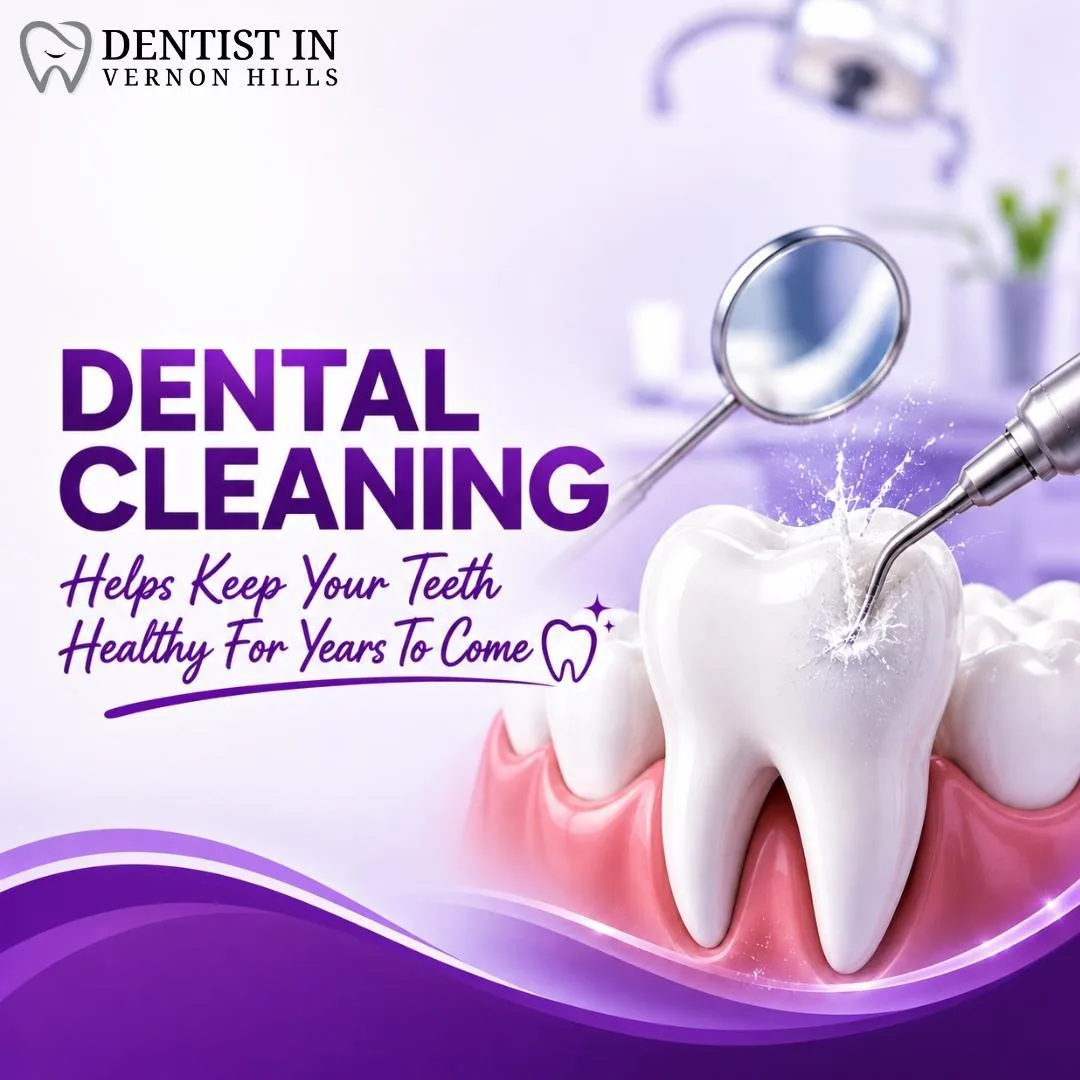
Many people brush and floss but still face sore gums, bad breath, or new cavities. Dental Cleaning can catch problems before they get worse.
A professional cleaning removes plaque, tartar, and germs that cause decay and gum disease. Here you will know about dental cleaning, the health benefits, and how often to visit the dentist.
During dental cleaning, the dentist uses special tools to clean the teeth. The hygienist also checks for any signs of gum disease or cavities.
A professional dental cleaning removes plaque, tartar, and bacteria that brushing alone cannot take off. This plaque removal lowers bacterial populations and cuts inflammation in gums.
Saliva helps wash away food and balance mouth acids, but the hygienist still scrapes and polishes to prevent cavities. Brushing and flossing can prevent tooth decay, but cavities require professional dental fillings to avoid further damage.
Most people need visits every six months, or twice a year, for cavity prevention and gum health. Cleanings help stop tooth loss, brighten the smile, and freshen breath. Removing tartar and germs can also reduce the risk of gum disease, which may lower the chance of deadly heart attacks. Polishing and expert flossing then refine the surface and reach tight spots.
Dental cleanings include polishing and expert flossing. The hygienist polishes the teeth to remove any remaining plaque or stains. This process brightens smiles and enhances tooth appearance. After polishing, the hygienist performs expert flossing. Flossing removes food particles from between the teeth that brushing might miss.
Regular dental cleanings help maintain gum health. Professional cleaning lowers bacterial populations in the mouth, reducing inflammation risks. With consistent visits every six months, individuals significantly lower their chances of developing gum disease or cavities.
Regular dental cleanings prevent cavities and gum disease. They help maintain strong teeth and fresh breath, contributing to comprehensive oral health.
Dental cleanings play a key role in preventing tooth decay and gum disease. These professional services remove plaque, tartar, and bacteria that harm teeth and gums. Plaque builds up if people do not brush and floss properly.
It can harden into tartar, which only dental professionals can eliminate. Regular cleanings help maintain healthy smiles. In addition to removing harmful substances, these visits can prevent cavities from forming. They also reduce the risk of gum disease, which is linked to serious health issues like heart attacks.
Protecting teeth with consistent care leads to long-term oral health benefits. Understanding how often to schedule these cleanings strengthens preventive care habits for everyone’s dental journey moving forward.
Regular dental cleanings significantly aid in maintaining long-term oral health. These professional cleaning sessions remove plaque, tartar, and germs that can lead to inflammation.
With regular visits every six months, individuals have a lower risk of developing gum disease. Gum disease impacts oral health and can also increase the risk of heart attacks. Dental cleanings help keep bacteria levels low, promoting healthier gums and teeth.
Patients often notice improvements in their smile's brightness after these cleanings. This process contributes to better tooth appearance as well as fresher breath. Routine care helps prevent cavities from forming over time.
Cleanings play a vital role in cavity prevention by addressing harmful build-up before it causes serious damage. Saliva works alongside these efforts to wash away food particles and balance acids produced by bacteria, leading to sustained oral health for years to come.
Most individuals require dental cleaning visits every six months. Arranging these appointments aids in sustaining long-term oral health. Routine cleanings prevent cavities and gum disease. They also support fresh breath and a brighter smile. The elimination of plaque, tartar, and bacteria serves a vital function in preventing tooth loss.
Professional teeth cleaning reduces bacterial populations in the mouth. It helps decrease the risk of complications like heart disease associated with gum issues. Dentists suggest adhering to this schedule for optimal dental care routines. Consistency is essential for effective cavity prevention and maintaining dental health.
Dental cleaning is a professional service that removes plaque and tartar from your teeth. It helps keep your teeth healthy for years to come.
Dental cleaning prevents cavities and gum disease. Regular cleanings help maintain overall oral health, ensuring your teeth stay strong.
You should have a dental cleaning every six months. This regular schedule helps prevent buildup of harmful bacteria in your mouth.
During the appointment, a dentist or hygienist will examine your teeth and gums first; then they will use special tools to clean them thoroughly and remove any debris.
Tell us a little about what you need — we'll be in touch shortly.
555 E Townline Rd Ste 4, Vernon Hills, IL 60061, United States

Hi! I'm Tooth fairy! Your AI Assistant Ask me anything