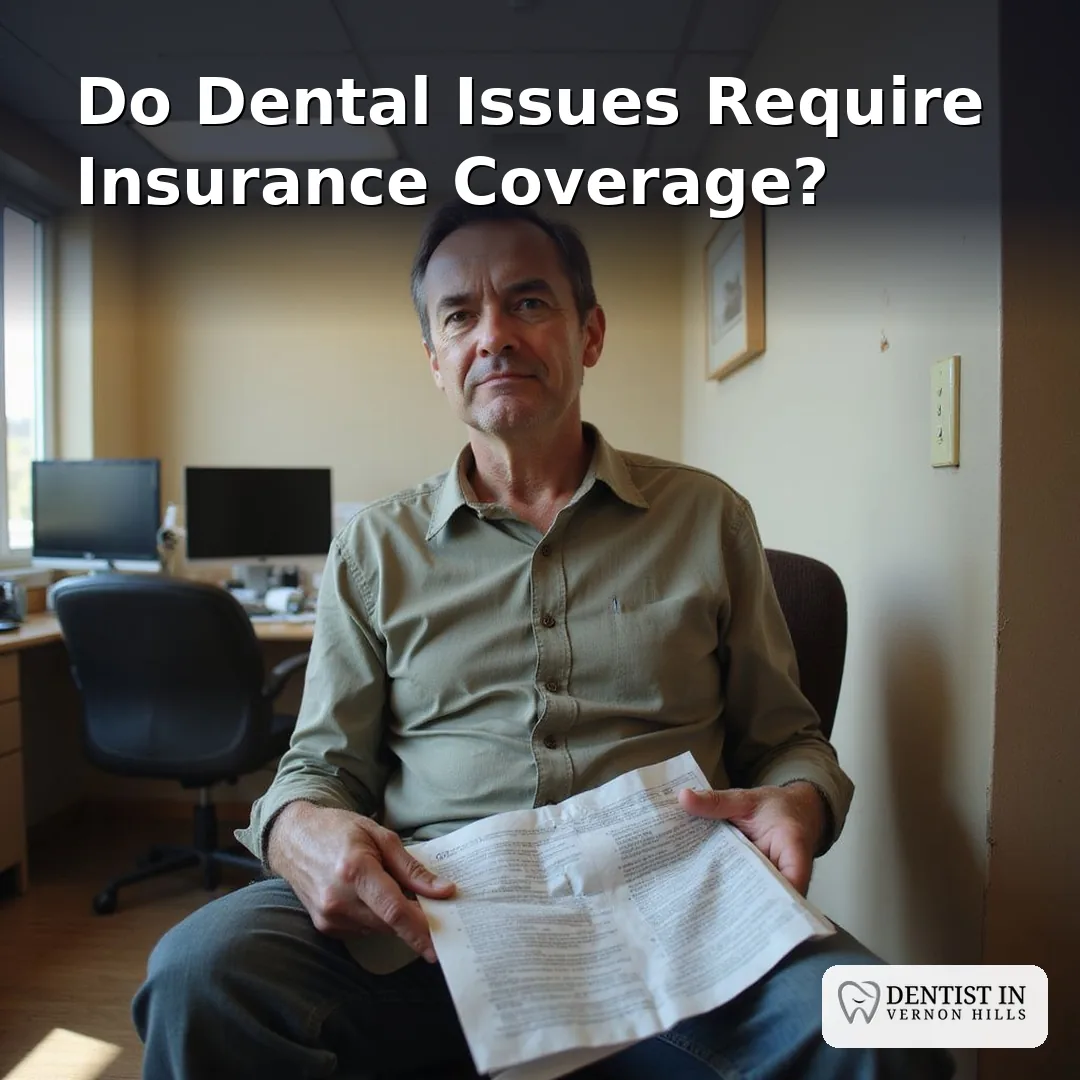
Many people wake with a toothache, or dread the bill after a filling. They wonder, do dental issues require insurance coverage, and what will cost them out of pocket. This question brings stress, and it can stop folks from booking a visit.
One fact helps, dental insurance often covers preventive care, like cleanings and basic X rays, which can catch problems early. This post will list common procedures, explain plan types, and show costs, so readers can judge which option fits their needs.
Dental problems can often lead to unexpected bills. A little insurance coverage can help with costs for common issues that many face.
Cavities form when tooth decay eats enamel. Dentists remove decay and place fillings to stop pain, save the tooth, and restore chewing. Most dental insurance plans cover basic procedures like fillings, often after a short waiting period.
Patients pay less with dental insurance for common care, which trims out-of-pocket expenses. Regular preventive care, such as cleanings and sealants, lowers the chance of larger treatment costs. A small filling now beats a big toothache later.
A root canal removes infected pulp, and it saves a tooth. Dentists use local anesthesia, so patients feel little pain during the work. An extraction removes a damaged or overcrowded tooth. Both procedures fall under basic procedures in many dental plans, though coverage levels vary.
Most plans cover part of the cost, after a waiting period or deductible. Patients often pay more for emergency visits, extra X-rays, or surgical extractions. Preventive care lowers the chance of needing these treatments, and regular checkups can cut long term costs. Next, the guide looks at gum disease treatments.
Following root canals and extractions, attention often shifts to gum disease treatment, because infection can return or spread. Dentists begin with deep cleaning, called scaling and root planning, to remove plaque and tartar below the gum line.
They may add local or oral antibiotics to cut bacteria. For advanced tissue loss, periodontal surgery can reshape bone and attach tissue. Regular maintenance visits, every three months for many patients, help keep pockets shallow and prevent recurrence.
Insurance often covers preventive care and basic procedures, like cleanings and simple deep cleanings, under many dental plans. Major procedures, such as surgery, may need higher-tier coverage, or carry percentage-based reimbursement, so out-of-pocket costs vary.
Patients should compare coverage options, look at annual maximums, and check waiting periods. Good dental benefits lower treatment costs, and they make ongoing care more affordable.
Dental insurance plans come in various types. They can fit different needs and budgets. Some plans cover only basic services, while others include more options like orthodontics or cosmetic work.
Choosing the right plan means looking at what care you need most.
Individual and family plans offer clear choices, and they suit different needs.
| Plan Type | Who it Fits | Typical Coverage | Average Costs | Waiting Periods | Example, First-Hand |
|---|---|---|---|---|---|
| Individual Plan | Someone single, with steady income. | Preventive, 80 to 100 percent; basic care, 50 to 80 percent; major work, 0 to 50 percent. | Monthly premiums, $20 to $50; annual maximums, $1,000 to $1,500. | Zero to 12 months, depending on the procedure. | One patient paid $900 for a root canal, then $200 after benefits kicked in. |
| Family Plan | Two or more people, shared needs, kids included. | Routine exams and cleanings often fully covered; fillings and extractions usually partial; major care may need waiting time. | Premiums range, $40 to $120 monthly for a family; annual limits, $1,000 to $2,000 per person. | Some carriers apply 6 to 12 month waits for crowns and root canals. | A parent reported a $150 filling cost for a child, fully covered as a preventive visit. |
| Common Cost Examples | Typical expenses, for budgeting. | Fillings, root canals, extractions, gum therapy. | Filling, $150 to $250; root canal, $700 to $1,200; extraction, $75 to $300; gum therapy, $500 to $1,200. | Short waits for cleanings, longer for major work. | A caregiver saved $400 on gum treatment after using a family plan. |
| When to Pick Which | Decision tips, quick. | Compare preventive coverage, annual caps, and network size. | Look at yearly out-of-pocket risk, and premium balance. | Factor in any planned treatments, check waits ahead of time. | A young professional chose an individual plan, for lower premiums and solid preventive care. |
After exploring individual and family plans, dental savings memberships stand out as a great option. They offer an affordable way to access dental care without the usual insurance hassles. Members pay a yearly fee for discounts on services.
These memberships cover many treatments. Basic procedures like cleanings and fillings often get reduced rates. More complex needs, such as root canals or gum disease treatments, can also have lower costs for members.
With these savings, maintaining oral health becomes easier and less stressful.
Cost matters when choosing dental care.
| Topic | Summary Points |
|---|---|
| Routine Care | - Regular cleanings cut long term costs, by catching problems early. - Checkups often cost less than major work. - Preventive care lowers risk of complex procedures. |
| Restorative Treatments | - Fillings and crowns vary widely in price. - Root canals and extractions can be costly, plan for higher bills. - Material choice affects final cost, porcelain usually costs more than composite. |
| Emergency Care | - Urgent visits carry higher fees, same day care may add charges. - Emergency procedures may need follow up, budget for extra visits. |
| Insurance Coverage | - Many plans cover preventive care at high percentages. - Major work often has waiting periods, read plan rules. - Annual maximums limit yearly payouts, check limits closely. |
| Out-of-Pocket Costs | - Copays and deductibles change total expense. - High deductibles lower premiums, but raise immediate bills. - Compare estimated out-of-pocket across plans, before committing. |
| Payment Options | - Many offices offer payment plans, ask about terms. - Care credit and low interest loans are common choices. - Sliding fee scales may apply at some practices, inquire politely. |
| Financial Assistance | - Some nonprofit programs help with costs for qualifying people. - Dental schools may offer reduced fees, for supervised care. - Employers sometimes add dental benefits, check job offerings. |
| Timing and Planning | - Scheduling work early in the year can use full annual maximums. - Plan major procedures around insurance waiting periods. - Stagger treatments to avoid hitting yearly caps. |
| Long-Term Costs | - Restorations may need replacement over time, budget for future care. - Good daily habits reduce need for costly fixes. - Investing in prevention saves money years down the road. |
| Price Transparency | - Request written estimates before treatment begins. - Ask for itemized bills, to spot billing errors. - Compare several providers, prices can differ greatly. |
Dental insurance offers many advantages. It helps people manage costs and protect their smiles.
Choosing the right dental insurance plan can feel tricky. Many options are available, and each has different features.
Dental issues often require insurance coverage because treatments can be costly. From routine check-ups to major procedures, having insurance helps manage these expenses and keeps your smile bright.
Most dental plans cover basic services like cleanings, fillings, and X-rays. They may also include more complex treatments such as root canals or crowns, but it varies by plan.
Cosmetic dentistry usually isn't covered by standard insurance plans since it's often seen as optional. However, some policies might help with specific cases where health is at stake; always read the fine print.
Start by assessing your current dental health and any anticipated needs. Compare different plans based on what they cover, like preventive care versus emergency work, and look for networks that include your preferred dentists.
Tell us a little about what you need — we'll be in touch shortly.
555 E Townline Rd Ste 4, Vernon Hills, IL 60061, United States
Hi! I'm Tooth fairy! Your AI Assistant Ask me anything