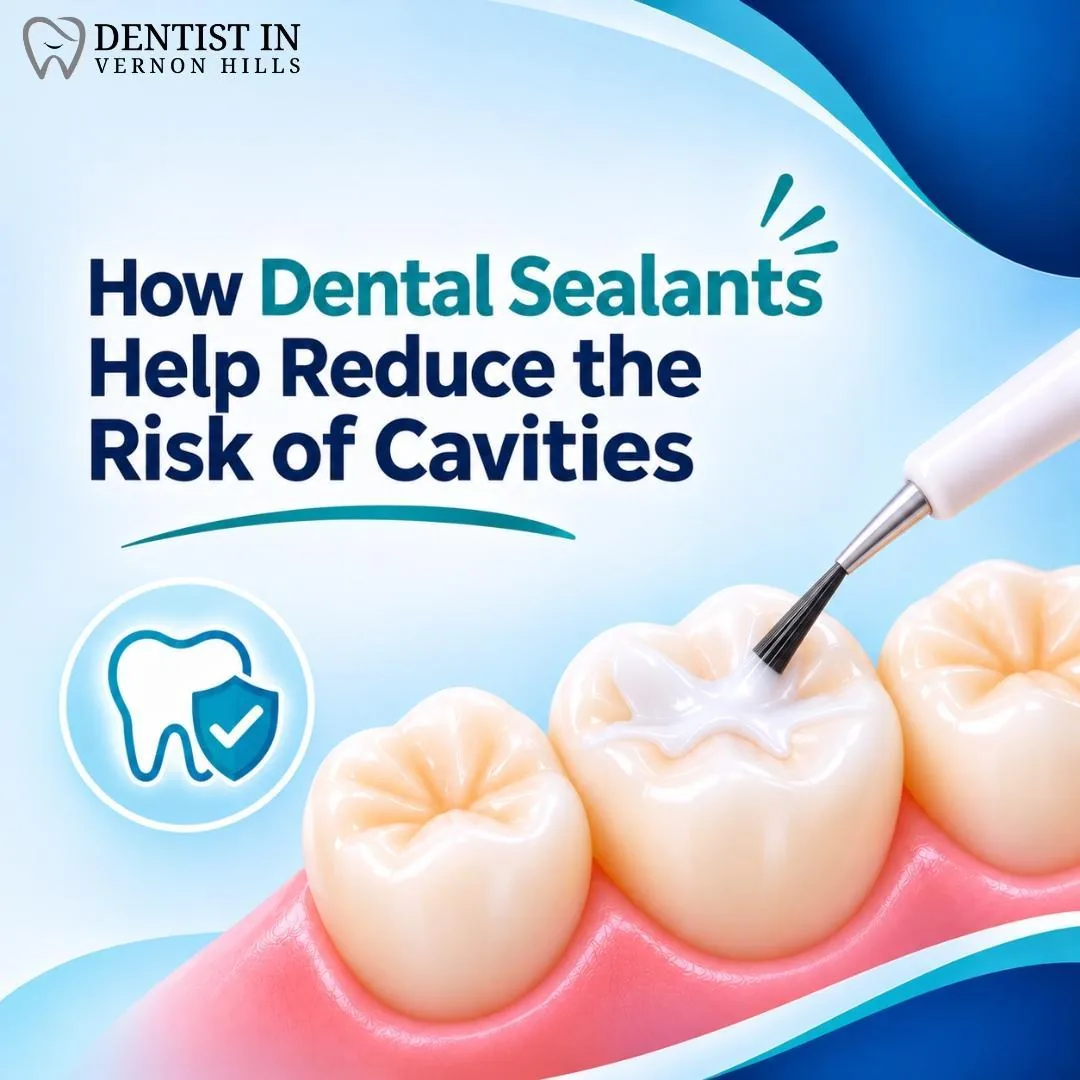
Many people worry about cavities. Children chew, snack, and miss a spot when they brush. Molars hide food in deep grooves. Plaque and bacteria then attack the enamel.
The American Dental Association says sealants can cut cavity risk in molars by as much as 80%. Sealants form a thin, smooth layer over grooves. That layer blocks food and bacteria.
This post will explain how sealants work, who benefits, and what to expect at the dentist. Keep reading.
Dental sealants form a thin, protective layer over molars. Dentists apply them to fill and smooth deep crevices and tooth fissures. The barrier blocks bacteria and food particles from lodging in grooves, so plaque and tooth decay have fewer places to start.
The American Dental Association reports sealants can cut the risk of cavities in molars by as much as 80%, and other studies show reductions ranging from 11% to 51% or up to 75% in some cases.
A pediatric dentist with 15 years of experience says she has seen a sharp drop in cavity rates after sealant application in children’s dentistry. Sealants protect vulnerable tooth surfaces and reduce the chance of cavities, especially in hard-to-reach areas that regular brushing misses.
They pair well with fluoride treatment and good oral hygiene for stronger enamel protection. The next section explains how dental sealants prevent cavities.
Dental sealants act like raincoats for your teeth, shielding them from plaque and sugar attacks. With a quick application, they keep tooth decay at bay and offer strong protection for years.
Dental sealants create a smooth, protective layer on molars. This barrier blocks food particles and bacteria from getting trapped in the tiny grooves. As a result, they help prevent cavities and tooth decay effectively.
According to the American Dental Association, sealants can reduce the risk of developing cavities in molars by as much as 80%.
The application fills in crevices that often trap plaque and debris. Sealants shield vulnerable areas during mealtime chaos. By keeping those hard-to-reach spots clean, they significantly lower the chances of cavity formation.
This makes them particularly beneficial for children’s oral health, where those busy little mouths can easily overlook proper hygiene practices.
Blocking bacteria and food particles creates a strong defense for teeth. Sealants play an important role in protecting vulnerable tooth surfaces, especially molars. These surfaces often have crevices that trap food and plaque.
By filling in these grooves, sealants make it harder for harmful things to settle in.
Sealants can reduce the risk of cavities by as much as 80%, according to the American Dental Association. They keep both food particles and bacteria from hiding out in hard-to-reach spots on teeth.
This extra layer of protection greatly benefits children's oral health by reducing wear on their teeth over time. With sealant application, parents can feel more confident about cavity prevention for their kids' smiles.
Dental sealants offer major protection for teeth. Many people can benefit from this preventive care method.
Dental sealants are thin coatings applied to the chewing surfaces of teeth. They create a protective barrier that helps keep cavities at bay.
Sealants fill in grooves and pits on teeth, making it harder for food particles and plaque to settle there. This reduces the chance of decay forming.
Children and teenagers benefit most from sealants since their molars are more prone to cavities. However, adults can also use them if they have deep grooves in their teeth.
Typically, dental sealants can last several years with proper care. Regular check-ups will help ensure they remain effective by allowing dentists to monitor their condition.
Tell us a little about what you need — we'll be in touch shortly.
555 E Townline Rd Ste 4, Vernon Hills, IL 60061, United States
Hi! I'm Tooth fairy! Your AI Assistant Ask me anything