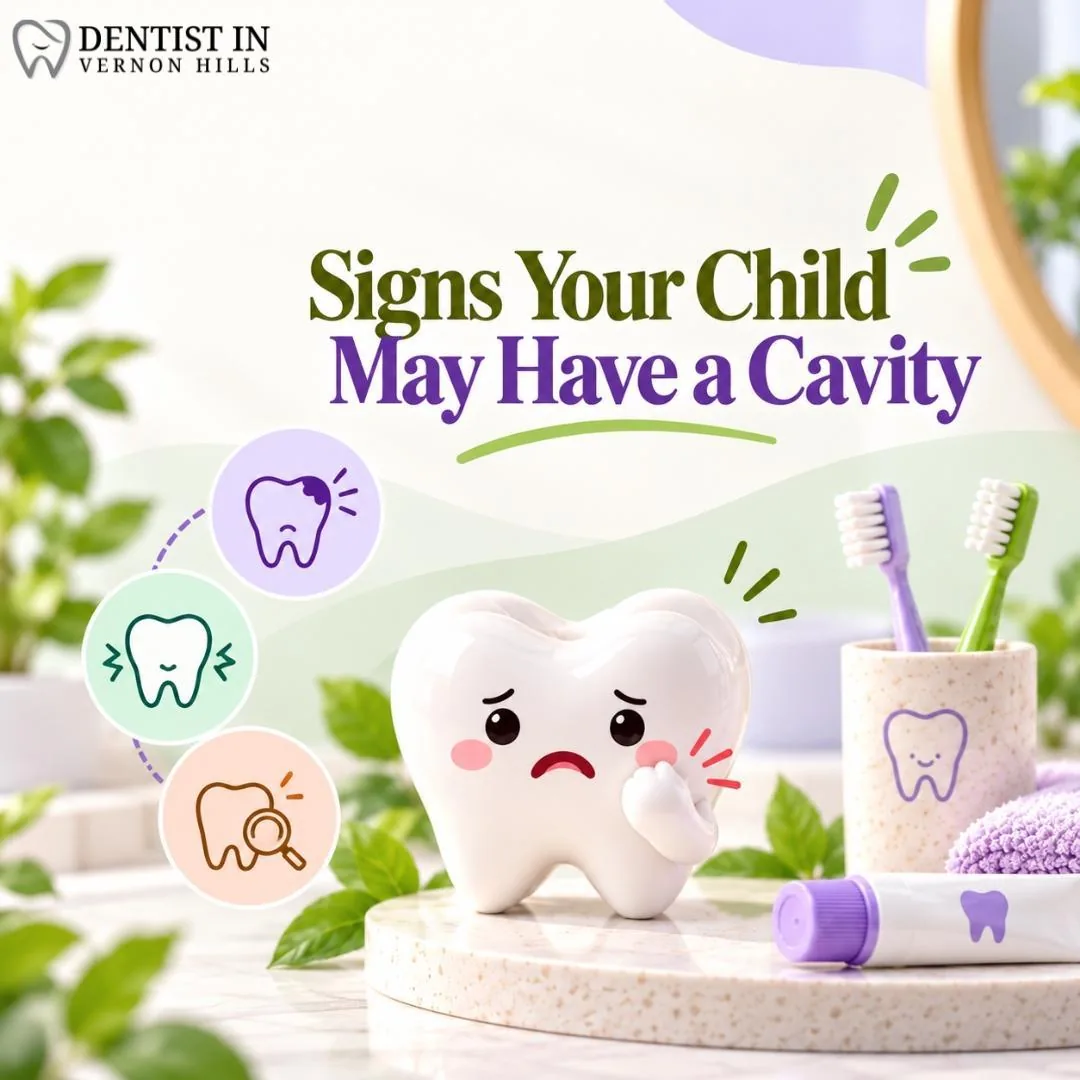
Many parents spot odd signs and worry. A child may avoid cold treats or complain about a sore tooth. These can point to a cavity. White spots on baby teeth can be an early sign of tooth decay.
This post lists clear signs and common symptoms to watch for. It also covers behavior clues and when to call a dentist. It helps parents spot issues early and act fast. Read on.
Cavities can appear in many ways, and some symptoms are easier to spot than others. Parents should watch for changes that could point to tooth decay or other dental problems in children.
Consistent sensitivity to hot, cold, or sweet foods suggests a cavity may be forming. Children often complain of tooth pain or sensitivity as a first cavity sign. They may avoid cold or sweet treats or chew on one side to ease the discomfort.
Sharp tooth pain and persistent food traps between teeth can point to larger tooth decay that needs treatment. White spots on baby teeth can show early enamel erosion and may later turn into brown holes.
Kids can pass cavity-causing bacteria to parents or other children, so dental checkups and good oral hygiene help protect dental health.
Visible discoloration and holes in teeth often signal serious dental issues. White spots on teeth may appear as early signs of tooth decay, especially in babies. These white spots can eventually turn into brown holes if not treated promptly.
Dark spots or visible holes indicate that cavities have developed and require immediate attention.
Sharp tooth pain frequently accompanies these signs. Children may complain about discomfort when they eat hot, cold, or sweet foods. Parents should watch for these symptoms closely to ensure their child's dental health stays on track.
Many children avoid certain foods because of sensitivity caused by cavities; this behavior is a clear warning sign. Next, behavioral indicators of a cavity reveal more ways to identify potential problems with your child's teeth.
Complaints of tooth pain or discomfort often signal that a child may have a cavity. Sharp tooth pain commonly indicates trouble within the teeth. Children might express their discomfort in simple words, but it usually reflects something serious like decay.
Pain can arise from cavities, especially when they grow large enough to reach sensitive dental nerves.
Kids may experience consistent sensitivity to hot or cold foods as well. This reaction suggests that there is an issue beneath the surface, hinting at possible tooth decay. Other signs include avoiding certain foods and focusing on chewing only one side of the mouth.
Parents should pay attention to these complaints and address them promptly with a dental checkup to ensure good oral hygiene and complete dental health for their children.
Children often avoid certain foods when they have a cavity. They might also chew on one side of their mouth to prevent pain. Persistent bad breath can signal tooth decay, even if kids brush regularly.
Parents should watch for these signs to address any dental issues early on.
Kids often avoid certain foods when they have a cavity. They may choose not to eat cold or sweet treats because of pain or discomfort. This behavior can indicate that something is wrong.
If children chew mostly on one side, it might suggest they feel sharp tooth pain. Persistent food traps between teeth can also point to the presence of a cavity.
Parents should pay attention to these changes in eating habits. Complaints about tooth sensitivity are common signs of a first cavity in kids. Each time they experience discomfort, it reinforces the need for better dental health practices and regular checkups with a pediatric dentist to address any issues early on.
Persistent bad breath can signal underlying dental issues, including cavities. Children may experience this problem even after brushing their teeth regularly. The presence of a cavity often leads to food traps and plaque buildup between the teeth.
These areas can produce foul odors, contributing to persistent bad breath. If a child has cavity symptoms or visible discoloration on their teeth, parents should take these signs seriously.
Cavities also create an environment for bacteria to thrive. This growth exacerbates bad breath and indicates possible tooth decay or enamel erosion. Ignoring this symptom could lead to more severe dental health problems if treatment is delayed.
Parents must monitor their child's oral hygiene closely and encourage regular dental checkups to ensure early detection of any cavities forming in those tiny teeth.
Early detection of cavities plays a vital role in maintaining children's dental health. Sharp tooth pain often signals that a cavity is present. If parents notice their child complaining about discomfort, they should seek help right away.
Children who avoid certain foods, especially cold or sweet treats, might also be trying to protect sensitive areas in their mouths where cavities are forming. Increased sensitivity to hot or cold foods indicates the need for a dental checkup soon.
Catch cavities early to prevent further damage and more extensive treatments later on. Visible holes are signs of large cavities requiring immediate attention. White spots appearing on teeth can foreshadow future issues; if left untreated, these may develop into brown holes over time.
Consistent monitoring of dental hygiene helps reduce plaque buildup and enamel erosion, which can lead to caries developing into serious problems for children's oral care.
Signs of cavities in children include tooth sensitivity, pain when eating or drinking, visible holes or dark spots on teeth, and bad breath.
If your child complains about a toothache, avoids certain foods, or shows discomfort while chewing, these could be signs of a cavity.
Yes, any discoloration like brown or black spots on teeth should prompt a visit to the dentist for an evaluation; this might indicate a cavity.
Yes, not brushing regularly and consuming too many sugary snacks can increase the risk of cavities in kids; good oral hygiene is essential for preventing them.
Tell us a little about what you need — we'll be in touch shortly.
555 E Townline Rd Ste 4, Vernon Hills, IL 60061, United States
Hi! I'm Tooth fairy! Your AI Assistant Ask me anything