
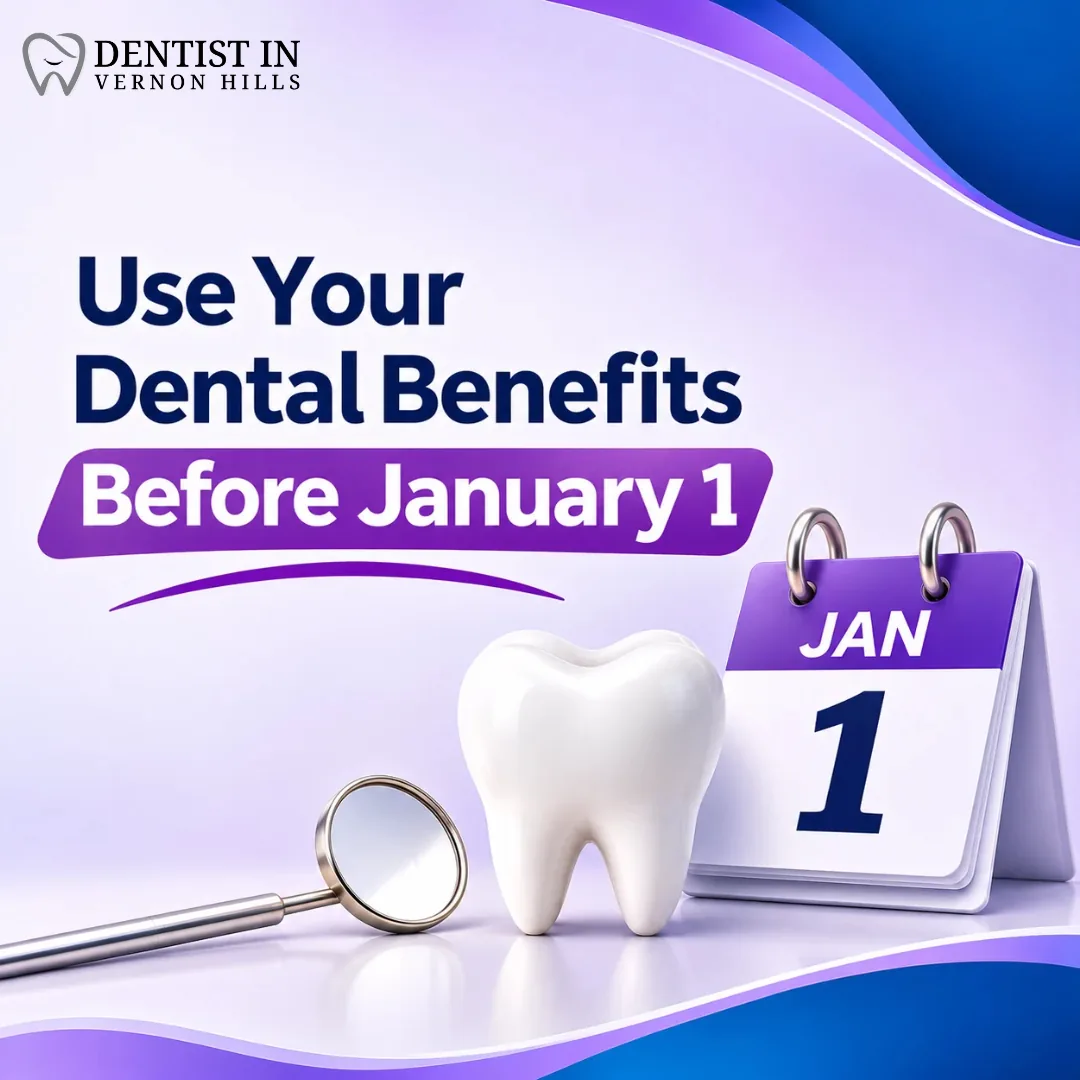
Many people put off a cleaning or needed repair, then lose unused benefits at year’s end. A dental insurance benefit can help pay for care, but it may expire if it goes unused.
For many plans, the yearly benefit limit resets on January 1, and unused funds do not roll over. This guide explains what plans may cover, how to use remaining benefits, and which deadlines to check.
That planning matters because dental benefits often follow a yearly schedule. A dental insurance plan may reset its benefits on January 1, and unused coverage may not carry over. Patients can lose help with care they already need.
Dental teams often see patients delay routine visits, then face a rush near year-end. Booking early can give patients more time to use available benefits and avoid putting off needed care.
Understanding dental insurance can feel tricky. It’s important to know the type of plan you have and what it covers. Some plans focus on prevention, while others cover more complex treatments.
Being clear about your benefits helps in getting the care you need without surprises.
A patient choosing a dentist can compare plan types by checking provider choice and payment rules.
| Plan type | Choice of dentist | How payment often works | What patients may notice |
|---|---|---|---|
| PPO | Network and out-of-network options | Lower costs with in-network dentists | More choice, different costs by provider |
| HMO | Usually limited to the plan’s network | Set copays or fees may apply | Patients may need to choose a network dentist |
| Indemnity | Often allows a wider choice of dentists | The plan pays a share, the patient pays the rest | Patients may pay first, then seek reimbursement |
Those plan types set the rules, but each plan covers different services. Many plans help pay for routine exams, cleanings, and X-rays.
Basic care may include fillings and extractions. Major care may include crowns, bridges, and dentures. The plan sets how much it pays for each service.
Annual maximums set a cap on how much dental insurance will pay in a year. For example, if the limit is $1,000, that’s the most coverage you can get within that time. After reaching this amount, any further costs fall to the patient.
Benefit limits vary by plan and affect what services are covered. Some plans may cover cleanings and X-rays fully but only a portion of major work like crowns or bridges. Knowing these details helps people make smart choices about their dental care while using their benefits wisely.
Dental benefits fade away at the end of each year. Many people miss out on key services like cleanings and fillings because they wait too long. It’s easy to forget, but it can cost you! Take charge of your dental care now and see what’s covered before time runs out.
Preventive care is key to a healthy smile. Cleanings help remove plaque and tartar. Regular exams catch issues early. X-rays show hidden problems below the surface.
Using dental benefits for these services is wise before January 1. It ensures no coverage goes to waste. Many people miss out on these important check-ups each year, leading to bigger problems down the line. Keeping up with preventive care saves money and pain in the future, so it’s best not to skip them!
Fillings and extractions are common dental services. They help keep teeth healthy and pain-free. A filling is used to fix a tooth that has a cavity. The dentist cleans out the decay, then fills it with material to restore its shape.
Extractions happen when a tooth cannot be saved. Sometimes, severe decay or crowding makes this necessary. After an extraction, patients may need some time to heal before getting new teeth or other treatments.
Both fillings and extractions often count toward dental benefits, but only if done within the plan year. Using these services can prevent further issues down the road.
Crowns, bridges, and dentures are major dental services. Crowns cover damaged teeth to restore their shape and strength. They help improve a person’s bite and smile. Bridges replace missing teeth by anchoring onto the surrounding ones. This helps fill gaps while keeping one’s bite aligned.
Dentures provide a full set of artificial teeth for those who have lost many or all of their natural ones. They can be removable or fixed in place for added comfort and stability. These services can greatly impact oral health as well as self-esteem. Next, let’s explore how to maximize your dental benefits effectively.
To get the most from dental benefits, make sure to book any remaining appointments as soon as possible. Also, consider combining treatments into one visit to save time and money.
People should not wait until the last minute to book their dental visits. Using dental benefits before year-end is crucial for saving money and staying healthy.
Taking these steps will ensure proper use of dental benefits while protecting smiles for years to come!
Bundling treatments can help patients save money and time. Dentists often suggest combining services like cleanings and fillings in one visit. This way, patients use their benefits wisely before the year ends.
Many find it easier to address several dental issues at once. For example, a patient may need both a cleaning and a crown. Scheduling them together means fewer trips to the dentist. Plus, it maximizes insurance coverage while minimizing out-of-pocket costs. Taking advantage of bundling makes good sense financially too!
Scheduling preventive care is key to making the most of dental benefits. Regular cleanings, exams, and x-rays keep teeth healthy. They can catch problems early before they become costly issues. Most plans cover these services fully or at a high percentage.
Taking advantage of preventive care also helps avoid potential pain later on. A small filling now can prevent a root canal down the line. Protecting smiles today leads to fewer worries tomorrow. Engaging in regular visits means having a healthier mouth and saving money too.
Coordinating with your dental provider helps make the most of benefits. Set up a meeting to review what is left for the year. Talk about needed treatments or checkups that can fit in before January.
If there are any questions about coverage, ask them right away. The staff at the dentist's office will have valuable information. Clear communication leads to better care and fewer hassles later on. This teamwork keeps everything running smoothly and makes dental visits more enjoyable.
Using dental benefits before January can save money and prevent unused coverage from going to waste. This means less out-of-pocket cost for treatments. By acting now, there's a chance to lower expenses for next year too.
Unused dental benefits can disappear fast. Many plans reset on January 1, leaving people with nothing if they don’t act. If a person has treatments or check-ups left, it’s wise to schedule them soon. Preventive care, like cleanings and exams, is often covered fully. This means no out-of-pocket costs for those services.
Waiting too long can lead to wasted money. People risk losing their benefits if they do not use them before the deadline. By planning ahead and booking appointments early, anyone can make the most of what their plan offers. It makes sense to take full advantage of coverage while it lasts!
Unused benefits can slip away easily, making it important to act fast. Patients who use their dental benefits now avoid paying more later. Routine visits for cleanings and check-ups are often covered. This means less money out of pocket.
Delaying care might lead to bigger issues down the line. Issues that need major treatments cost a lot more money. Using dental coverage now helps keep expenses low and keeps smiles bright too! It’s smart to book those remaining appointments before year-end to save cash and make the most of what insurance offers.
Using dental benefits wisely cuts next year’s expenses. Scheduling necessary treatments this year helps avoid costs later on. Many people forget about their unused benefits, but that can add up fast. Preventive care saves both money and teeth in the long run.
Combining appointments might also lower future out-of-pocket costs. Think of it as a two-for-one deal for your smile! Planning ahead with your dentist leads to better savings and healthier habits. Taking action now means less financial stress down the line.
Flexible Spending Accounts, or FSAs, can help with dental costs. People should use FSA funds before they go away.
Flexible Spending Accounts (FSAs) help cover dental expenses. People can set aside pre-tax money for various costs, including dental care. This makes it easier to pay for services like cleanings and fillings.
Funds in an FSA usually expire at the end of the year or after a short grace period. If someone does not use all their funds, they lose them. Scheduling appointments before January 1 is smart to avoid wasting money. Using FSA dollars wisely can lead to big savings on out-of-pocket costs for dental work.
Using FSA funds can help save money on dental care. Maximizing these funds before they expire is smart.
Taking these steps helps people use their benefits wisely before they vanish into thin air!
Understanding insurance deadlines can feel like trying to catch smoke with your bare hands. It’s wise to check coverage details early. Talk with the provider about any waiting times and confirm what plans will look like next year. Keep an eye on those tick-tock moments, so no benefits slip away!
Confirming coverage is key. Start by checking your insurance card. This card has useful details like the plan name and member number. Reach out to customer service if there are questions. They can help clarify what services are covered.
Eligibility also matters. Some plans require waiting periods for certain treatments, such as crowns or root canals. Knowing these rules can save time and hassle later on. The next step involves identifying common dental benefits that might expire soon, so utilizing them is a smart move.
Waiting periods can be tricky. Many dental plans have a time frame before certain services kick in. For example, if someone signs up for a new plan, they might need to wait six months for major work like crowns or bridges.
Patience is key during this time. Some people think that their benefits are ready right away, but that's not always the case. It's wise to check with the insurance provider regarding these waiting times. Understanding them helps avoid surprises later on and keeps smiles bright!
Changes in dental plans can surprise anyone. Each year, insurance companies may adjust coverage and benefits. New limits may apply or certain services might not be covered anymore. This is why you should check your plan before the new year starts.
Reviewing your policy helps avoid surprises later on. Your friend learned this the hard way when their filling wasn’t covered one year because of a change in their plan. They wished they had checked sooner! It’s wise to talk with your dentist or an insurance agent if you see anything different in your plan for next year.
Many dental plans reset on January 1. If you have unused benefits, they may not roll over. Book a visit now, so you don’t leave care or coverage on the table.
Your plan may cover checkups, cleanings, X-rays, and some dental treatments. Check your plan details or call your dental insurance provider to learn what’s included.
An annual maximum is the most your plan will pay for covered dental care in one year. If you have reached only part of that amount, ask your dentist whether you need treatment before January 1.
Call your dentist soon. Appointments can fill up near the end of the year. Ask the office to check your coverage and explain any costs before you book.
Tell us a little about what you need — we'll be in touch shortly.
555 E Townline Rd Ste 4, Vernon Hills, IL 60061, United States
Hi! I'm Tooth fairy! Your AI Assistant Ask me anything