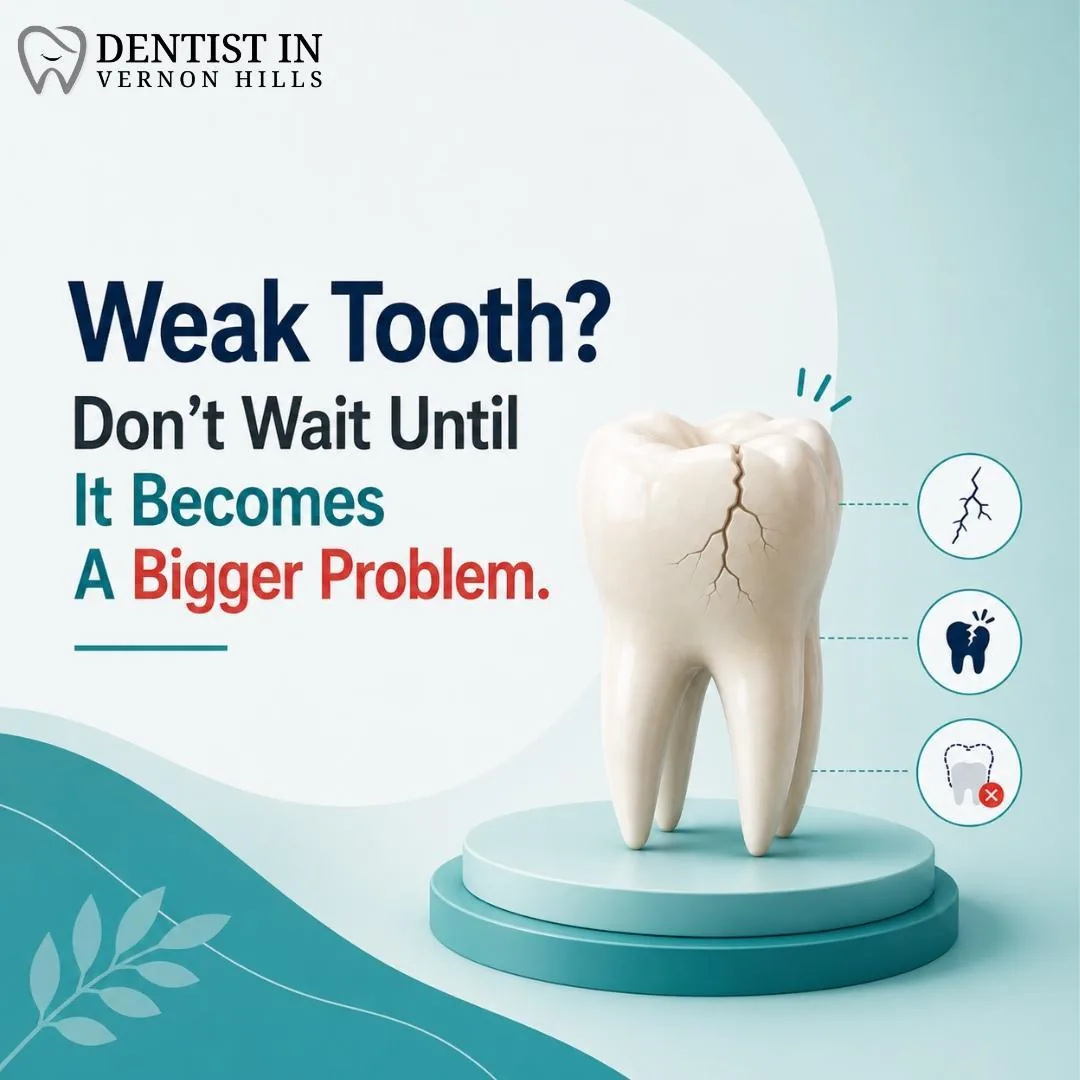
Many people feel sharp twinges or constant sensitivity in a single tooth. A Weak Tooth can make chewing and smiling uncomfortable. They may delay care because the pain seems small. Small problems can become big ones fast.
Enamel erosion makes teeth more fragile and more likely to stain, hurt, and get cavities. Here you will know common causes, warning signs, and simple treatments.
Many things can weaken teeth and hurt dental health. Poor habits and neglect often lead to bigger problems if left untreated.
Acid wears away and softens the outer enamel layer of teeth. Enamel erosion makes teeth vulnerable to stains, sensitivity, and cavities. Acid from food and drinks causes most dental erosion.
A dentist noted a patient with worn edges and strong sensitivity after years of sour drinks. Small toothaches can become bigger problems without quick care. Untreated erosion lets acids reach deeper layers and worsen over time.
Cracked teeth allow bacteria to enter and weaken the tooth from the inside over months or years before pain starts. A tooth with crumbling, large holes, or deep dark discoloration may be too weak to support a filling.
Tooth decay does not fix itself and will get worse without treatment. Untreated problems lead to pain, infections, and tooth loss. Good oral hygiene and preventive care help strengthen teeth and slow further enamel loss.
Weak teeth often suffer from tooth decay. This occurs when bacteria in the mouth produce acid that eats away at tooth enamel. Untreated tooth decay will worsen over time, leading to complications like pain and infections.
A small cavity can turn into a larger issue without proper dental treatment. Tooth decay does not fix itself; it requires immediate attention from a dentist.
A weakened enamel layer caused by erosion allows bacteria easier access to the inner parts of the tooth. Cracked or chipped teeth create entry points for harmful germs as well. If they go unnoticed, these problems may cause significant damage before any discomfort is felt.
People should be aware that visible signs such as large holes or dark discoloration indicate severe weakness in a tooth's structure, making restoration challenging.
Tooth decay can lead to many issues, including a weakened tooth. Teeth grinding and clenching contribute significantly to this problem. This habit puts excessive pressure on teeth, which can cause cracks or chips over time.
Cracked teeth allow bacteria to enter and weaken the structure from within. Many people do not realize they grind their teeth until pain or sensitivity develops.
Stress often triggers grinding as individuals subconsciously clench their jaws during sleep or daily activities. Over time, this constant pressure worsens dental health by wearing down enamel.
Weak enamel makes teeth prone to cavities and stains; it also increases sensitivity to temperature changes. Seeking treatment early can prevent these problems from escalating into more significant issues like infections or tooth loss. Regular dental checkups help identify signs of grinding before damage occurs.
Nutritional deficiencies can weaken teeth significantly. A lack of essential vitamins and minerals affects tooth health. Calcium and vitamin D are crucial for strong enamel; their absence leads to erosion.
Weak tooth enamel makes teeth vulnerable to stains, sensitivity, and cavities. Poor nutrition also influences gum health, allowing conditions like gum disease to develop.
Many people experience increased sensitivity or pain due to unaddressed nutritional gaps. Small toothaches today often indicate larger issues tomorrow. Without proper care, weakened teeth struggle against acids from food and drinks.
Cracked teeth allow bacteria to enter the inner layers over time; this increases the risk of dental decay which will not fix itself without treatment. Regular checkups can help identify these concerns early on in pediatric dentistry or adult dental care settings.
A weak tooth often shows clear warning signs like pain, sensitivity, or visible cracks. These signs indicate a potential issue that deserves immediate attention. Keeping an eye on these symptoms can help maintain good dental health.
Stay aware and check for any changes in your teeth regularly to keep your smile happy and healthy!
Pain or sensitivity in a tooth often indicates a problem. Weak enamel makes teeth vulnerable to these issues. People with sensitive teeth feel discomfort when they eat hot, cold, or sweet foods. This pain signals that something may be wrong beneath the surface.
Cracked and damaged teeth allow bacteria to enter and weaken them from within. Over time, this can lead to more severe pain as decay progresses deeper into the tooth structure. Tooth decay does not improve on its own; it only worsens without treatment.
Identifying symptoms early is crucial for maintaining dental health and preventing complications like infections or even tooth loss.
Visible cracks or chips in a tooth are clear signs of weakness. These damage points can allow bacteria to enter the tooth, leading to deeper issues over time. Cracked teeth may not hurt right away, but they become more vulnerable to decay as days pass.
A tooth with large holes or deep discoloration might be too weak for simple fillings. Weak enamel heightens the risk of sensitivity and cavities; addressing these cracks is essential for maintaining oral health.
Regular dental checkups help spot these issues before they worsen. Patients should seek treatments promptly to restore their teeth's strength and function effectively. Keeping an eye on visible flaws prevents minor concerns from escalating into major problems.
Yellowing of teeth can signal a weak tooth. Weak enamel makes teeth more vulnerable to stains and sensitivity. Acid from food and drinks often causes this erosion. Over time, visible crumbling or dark discoloration may appear.
A tooth with deep yellowing might lack the strength to support a filling. Those small changes today can lead to bigger problems tomorrow if left untreated.
Tooth decay does not fix itself; it worsens without proper care. Minor issues like yellowing indicate that professional dental treatment is necessary. Early intervention can prevent pain, infections, or even tooth loss down the line. Regular dental checkups help maintain oral health and catch these signs early on.
Weak teeth need timely attention. Various treatments can help restore strength and improve oral health.
Fluoride treatments help strengthen weak tooth enamel. This can make teeth more resistant to stains, sensitivity, and cavities. Many dentists recommend fluoride treatments for both children and adults.
These treatments involve applying a concentrated fluoride solution directly to the teeth. They work by replenishing lost minerals in the enamel that acid from food and drinks has worn away.
Tooth decay does not fix itself; it only worsens without treatment. Regular fluoride applications can make a big difference in dental health. In fact, patients who receive consistent fluoride care often notice reduced sensitivity and fewer cavities over time. Early intervention with these treatments prevents minor issues from becoming major problems later on.
Fluoride treatments help strengthen weak teeth, but dental bonding offers another solution. This procedure uses a tooth-colored resin to fix cracks and chips in weakened teeth. It restores the tooth's shape and improves its appearance. Dental bonding also seals off any openings where bacteria can enter.
A weak tooth with visible crumbling or large holes may benefit from this treatment. Cracked teeth allow harmful bacteria to weaken them over time, leading to pain and complications if left untreated.
By addressing these issues early, individuals protect their oral health and prevent further decay or sensitivity.
Crowns and veneers offer effective solutions for weak teeth. A crown covers the entire tooth, providing strength and protection against further damage. It is especially useful for teeth with visible crumbling or large holes. These crowns can restore a tooth’s shape and function while enhancing the smile.
Veneers are thin layers that bond to the front surface of teeth. They cover imperfections like discoloration or cracks. Both options help strengthen weakened enamel, improving dental health significantly. Seeking treatment early prevents minor issues from turning into major problems in oral health.
Nightguards provide a simple solution for those who grind their teeth. Teeth grinding, also known as bruxism, can slowly damage enamel and weaken teeth. This habit often goes unnoticed until pain arises or significant damage occurs. Nightguards create a protective barrier between the upper and lower teeth during sleep. They help prevent wear from clenching and grinding.
These devices keep the jaw in a relaxed position while sleeping. A custom nightguard fits comfortably, ensuring better protection against tooth erosion and decay. By using nightguards, individuals can reduce sensitivity and protect their dental health from further complications like infections or even tooth loss.
Early intervention with nightguards can save individuals from expensive dental treatments down the line.
If you have a weak tooth, visit your dentist as soon as possible. Early treatment can prevent bigger problems later.
Signs of a weak tooth include pain, sensitivity to hot or cold, and visible cracks or chips. If you notice any of these symptoms, seek dental care quickly.
Yes, ignoring a weak tooth can lead to infections and even tooth loss. It is important not to wait until it becomes a bigger problem.
To strengthen your teeth at home, practice good oral hygiene by brushing twice daily and flossing regularly. Eating healthy foods also helps maintain strong teeth.
Tell us a little about what you need — we'll be in touch shortly.
555 E Townline Rd Ste 4, Vernon Hills, IL 60061, United States
Hi! I'm Tooth fairy! Your AI Assistant Ask me anything