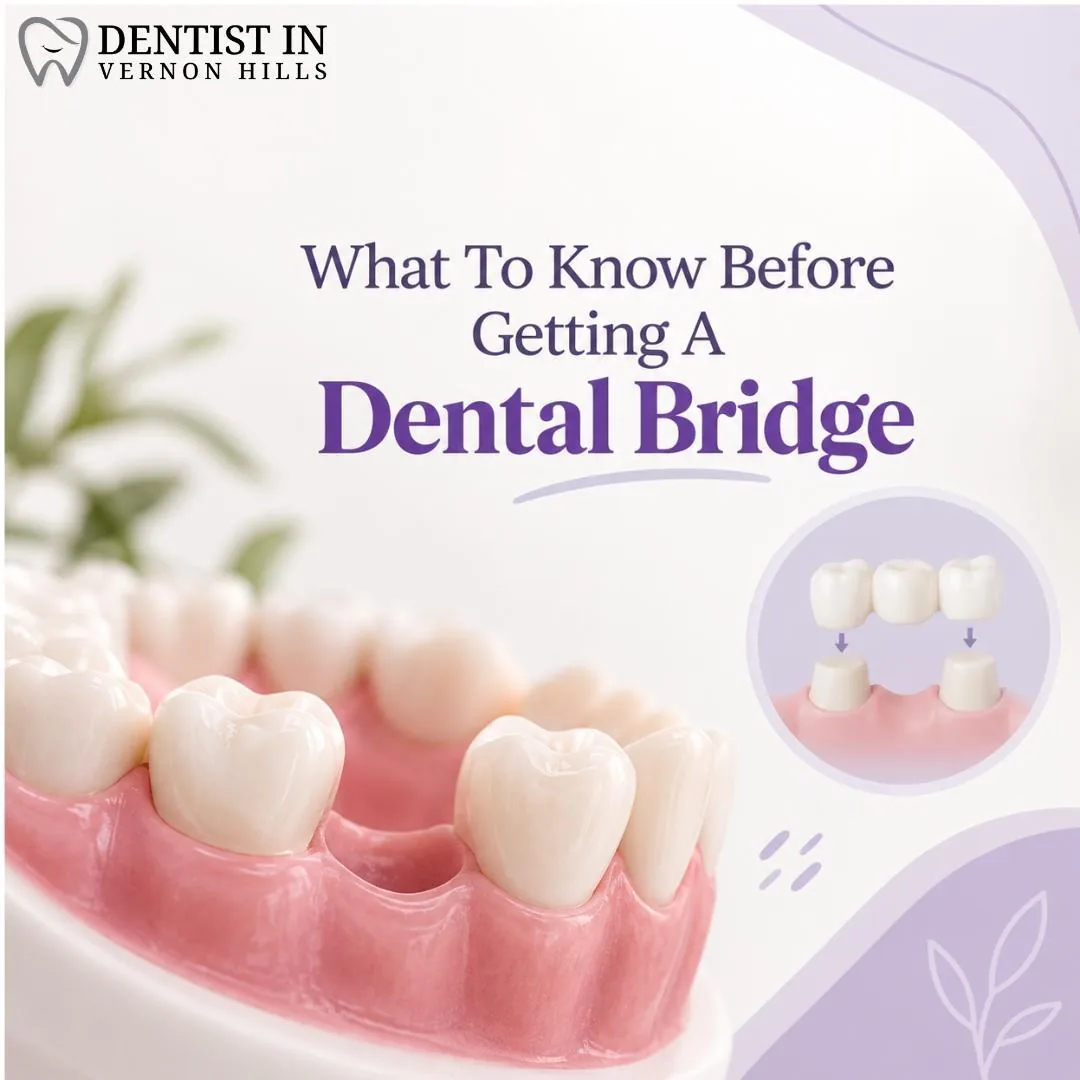
Many people hide a missing tooth when they smile. They may chew on one side or feel self conscious. Dental Bridges can fix that gap and make chewing easier.
One fact to know, a bridge uses a false tooth called a pontic and nearby teeth, called abutment teeth, to hold it in place. The guide explains the exam, the step by step procedure, the role of local anesthesia, and how to care for gums and crowns after the job.
Understanding Dental Bridges
A dental bridge replaces one or more missing teeth by putting a false tooth, called a pontic, into the gap. Prosthodontics specialists place bridges to stop neighboring teeth from shifting into empty spaces. Local anesthesia numbs the gums during the dental procedure, so the work should not hurt.
A dentist will run a full exam and consultation first to check gum health and the strength of abutment teeth. Abutment teeth must be healthy enough to support a bridge, and the mouth must be free of active gum disease.
A single bridge can replace several teeth, and dentists may fit a temporary bridge while the lab makes the final piece. Bridges have helped with tooth replacement for centuries, though they carry a slightly higher risk of tooth decay than some other options, so good oral hygiene and plaque removal stay critical.
The Procedure for Installing a Dental Bridge
A dentist gets your mouth ready using special tools and numbs the area with local anesthesia. The process moves quickly, so many people are surprised at how soon they leave the office with a temporary bridge.
Steps to Receive a Dental Bridge
Getting a dental bridge involves several steps to ensure proper placement and fit. This process helps restore oral health and function.
- Patients undergo a comprehensive examination and consultation first. A dentist checks the overall oral health and determines if a dental bridge is suitable for them.
- Local anesthesia numbs the gums prior to starting the procedure. This helps eliminate any discomfort during the installation of the dental bridge.
- The adjacent teeth, known as abutment teeth, get prepared next. Dentists shape these teeth to support the dental crowns that will hold the bridge in place.
- Impressions of the mouth are taken after preparing the abutment teeth. These impressions help create custom-fitted bridges designed for each patient's needs.
- A temporary bridge often gets placed while waiting for the permanent one. It protects the exposed gums and provides functionality until a permanent solution arrives.
- Once ready, dentists remove the temporary bridge during the final appointment. They then carefully position the permanent bridge and make adjustments as needed for a perfect fit.
- Patients receive guidance on recovery and aftercare at this stage. Good oral hygiene becomes vital to maintain gum health and prevent plaque buildup around the new restoration.
- Regular follow-up appointments allow dentists to monitor how well the dental bridge functions over time.
These steps highlight important aspects of getting a dental bridge, from assessment through maintenance, ensuring patients can smile confidently again!
Tips for Recovery and Aftercare
After receiving a dental bridge, patients want to ensure a smooth recovery. Proper care is crucial for lasting results.
- Follow the dentist's instructions carefully. This guidance helps avoid complications and promotes healing.
- Take prescribed medications as directed. Pain relief can make recovery more comfortable.
- Maintain good oral hygiene daily. Brushing and flossing prevent plaque buildup around the bridge.
- Use a soft-bristle toothbrush to avoid irritating gums. Gentle cleaning supports gum health after the procedure.
- Avoid hard or sticky foods for several days. These can damage the temporary bridge or cause discomfort.
- Schedule follow-up visits with the dentist. Regular check-ups monitor progress and address any issues promptly.
- Stay hydrated and eat a balanced diet to aid recovery. Nutrition plays an important role in overall healing.
- Watch for signs of infection, such as swelling or increased pain. Prompt action can protect oral health.
- Limit tobacco use during recovery; this can hinder healing and gum health.
- Be patient; healing takes time, but following these tips will help maintain strong results with your dental bridge.
This careful approach makes it easier for individuals to adapt to their new dental restoration while supporting long-term oral health.
Advantages and Potential Aspects of Dental Bridges
Here are clear pros and cons to consider.
| Category | Points |
|---|
| What a bridge does | - Replaces one or more missing teeth with a false tooth called a pontic.
- Can span multiple gaps with a single bridge, not just one tooth.
- Has been used for centuries as a tooth replacement solution.
|
| Protects alignment | - Stops neighboring teeth from drifting into the gap.
- Keeps bite contacts stable and speech clearer.
|
| Procedure comfort | - Local anesthesia numbs the gums before work begins, so the process should not hurt.
- A full exam and consultation happens first to check oral health and suitability.
|
| Support needs | - Adjacent teeth must be strong and healthy to support the bridge.
- Remaining teeth must be healthy for the bridge to function well.
|
| Gum and oral health | - Gum health is a key factor before placement.
- A dental exam looks for gum disease and tooth decay risk.
|
| Decay risk | - There is a slightly higher risk of tooth decay with bridges versus some other options.
- Good hygiene and regular checkups cut that risk.
|
| Longevity and repairs | - Bridges can last many years with care.
- Patients may need repairs or replacement over time.
|
| First-hand report | - A patient who had a three-tooth bridge for five years said chewing felt normal again.
- The same patient noted extra brushing and flossing around the bridge.
|
| When to choose | - Dentists prefer bridges when adjacent teeth are healthy enough to bear the load.
- Other options may suit patients with weak neighboring teeth.
|
| Key reminders | - A pre-procedure exam decides candidacy.
- Bridges help function and look natural, but they require care to avoid decay.
|
Frequently Asked Questions
What is a dental bridge?
A dental bridge is a device that replaces missing teeth. It connects artificial teeth to existing ones for support. This helps restore your smile and chewing ability.
How long does getting a dental bridge take?
The process usually takes two visits to the dentist. The first visit involves preparing your teeth and taking impressions. The second appointment focuses on placing the bridge securely in your mouth.
Are there any risks with dental bridges?
Like any procedure, there are some risks involved. You might experience sensitivity or discomfort after placement. In rare cases, the surrounding teeth could be affected if not properly cared for.
How do I care for my dental bridge?
Caring for a dental bridge is similar to caring for natural teeth. Brush twice daily and floss regularly around the bridge area to keep it clean and healthy; this prevents plaque buildup and maintains overall oral health.